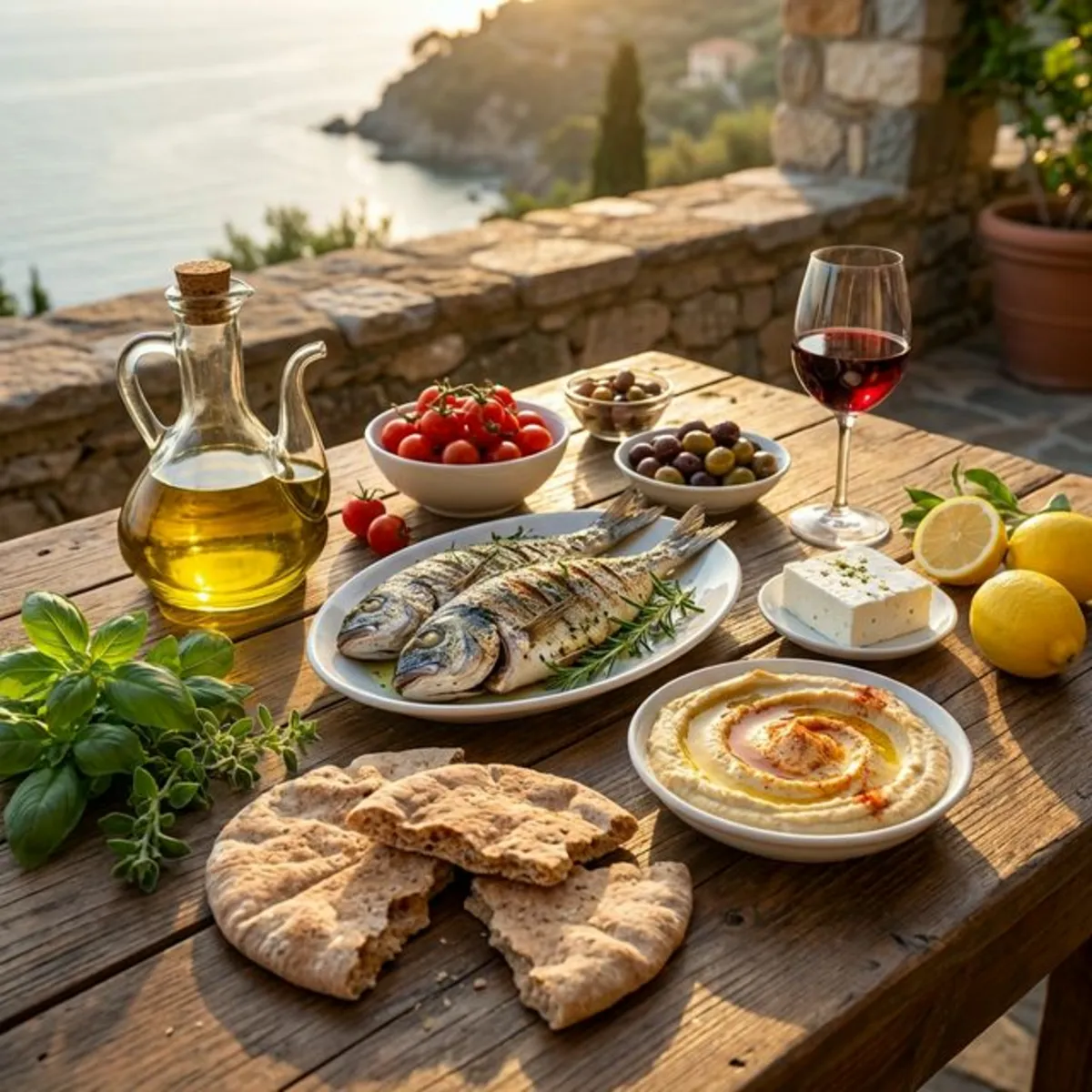
The Mediterranean Diet:
A Complete Beginner's Guide
Meaningful Diet Editorial
February 21, 2026 · 11 min read
The Mediterranean diet is not a fad. It is the most extensively studied dietary pattern in human history, with over 4,000 peer-reviewed research papers supporting its benefits for heart health, brain function, longevity, and weight management. Here is everything you need to know to get started, and why the Meaningful Diet philosophy aligns so closely with its core principles.
What Is the Mediterranean Diet?
The Mediterranean diet reflects the traditional eating patterns of people living along the Mediterranean Sea, particularly in Greece, southern Italy, and Crete, during the mid-20th century. It was first formally studied by American physiologist Ancel Keys in the 1950s, and the landmark PREDIMED trial (2013) provided rigorous clinical evidence of its cardiovascular benefits.
Unlike restrictive diets, the Mediterranean approach is built on what to eat more of, not what to eliminate. This makes it one of the most sustainable and enjoyable dietary patterns in the world, people stick with it because the food is genuinely delicious.
The Core Principles
Eat Daily
- Extra virgin olive oil, the primary fat source, used liberally (4+ tablespoons/day in the PREDIMED trial). This is the single most important element. See our oil ranking guide
- Vegetables, 5+ servings daily, emphasizing leafy greens, tomatoes, peppers, eggplant, and zucchini
- Fruits, 2-3 servings, especially citrus, figs, and berries
- Whole grains, farro, bulgur, whole grain bread, and brown rice
- Legumes, chickpeas, lentils, white beans, a staple protein source
- Nuts and seeds, a handful of almonds, walnuts, or pistachios daily
- Herbs and spices, fresh basil, oregano, rosemary, garlic, and turmeric replace the need for processed seasonings
Eat Weekly
- Fish and seafood, 2-3 times per week, especially fatty fish like sardines, mackerel, and wild-caught salmon
- Poultry, 2-3 servings per week
- Eggs, up to 7 per week
- Cheese and yogurt, moderate amounts of full-fat, traditionally made varieties (feta, Parmigiano-Reggiano)
Eat Sparingly
- Red meat, once or twice per month
- Sweets, occasionally, and ideally based on fruit and nuts rather than refined sugar
Avoid Completely
- Refined seed and vegetable oils, soybean, canola, sunflower, corn oil
- Ultra-processed foods, packaged snacks, fast food, artificial ingredients
- Refined sugars and white flour, the glycemic impact of these refined carbs is the opposite of what this diet achieves
The Science: Why It Works
The evidence base for the Mediterranean diet is staggering:
- Heart disease: The PREDIMED trial showed a 30% reduction in cardiovascular events vs. a low-fat diet.
- Brain health: A 2023 meta-analysis in Neurology linked Mediterranean eating to a 23% lower risk of dementia.
- Cancer: Associated with a 10% reduction in cancer incidence, particularly breast and colorectal cancers.
- Longevity: Blue Zones research found that the longest-lived populations in the world (Sardinia, Ikaria) eat diets closely resembling the Mediterranean pattern.
- Inflammation: The diet's emphasis on olive oil, omega-3 fish, and anti-inflammatory foods directly reduces chronic systemic inflammation, the root cause of most modern diseases.
Sample 7-Day Mediterranean Meal Plan
| Day | Breakfast | Lunch | Dinner |
|---|---|---|---|
| Mon | Greek yogurt, walnuts, honey | Chickpea salad with EVOO dressing | Grilled salmon, roasted vegetables |
| Tue | Avocado toast on sourdough | Lentil soup with crusty bread | Herb-baked chicken, quinoa |
| Wed | Oatmeal with berries, pistachios | Tuna salad with white beans | Grilled sardines, leafy greens |
| Thu | Eggs, tomatoes, feta, olives | Mediterranean grain bowl | Baked cod, roasted peppers |
| Fri | Smoothie bowl with nuts | Hummus plate, pita, crudités | Shrimp pasta with EVOO |
| Sat | Shakshuka with sourdough | Greek salad, grilled halloumi | Lamb kebabs, tabbouleh (occasional) |
| Sun | Ricotta toast, figs, honey | Minestrone soup | Whole roasted fish, potatoes |
Over 10,000 swaps and counting
Swap any ingredient for a Mediterranean-friendly alternative, free.
Our AI-powered Swap Tool helps you transition your pantry toward the Mediterranean pattern. Type any ingredient and get a healthier, whole-food alternative instantly.
Use the Swap Tool →