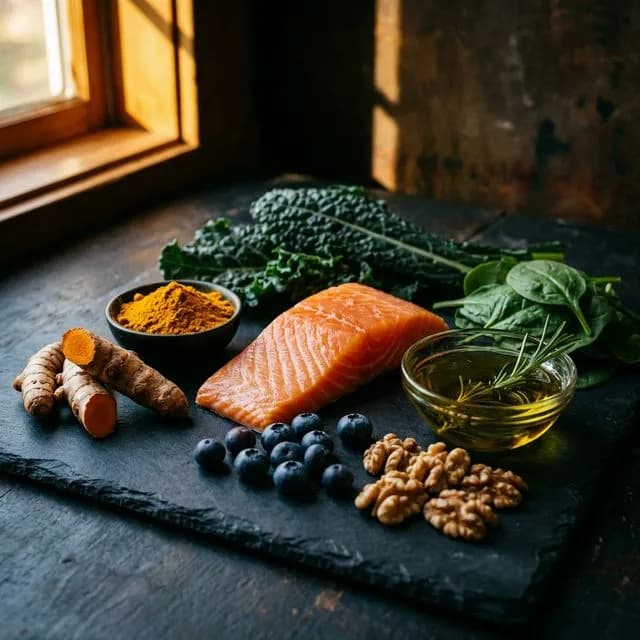
Anti-Inflammatory Foods:
A Complete Guide
Meaningful Diet Editorial
February 13, 2026 · 9 min read
Inflammation is not the enemy, it's your immune system's built-in repair mechanism. But when inflammation becomes chronic, persisting for months or years without a clear threat, it becomes the root driver of nearly every modern disease: heart disease, type 2 diabetes, Alzheimer's, autoimmune conditions, and even depression.
The good news? Your diet is the single most powerful lever you have to control chronic inflammation. Here's the science, the foods that help, and the ones that silently fuel the fire.
How Chronic Inflammation Works
Acute inflammation is healthy, it's the redness and swelling that helps you heal a cut or fight an infection. Chronic inflammation is different. It's a low-grade, systemic response triggered by ongoing insults to the body: industrial seed oils, refined sugar, ultra-processed foods, chronic stress, poor sleep, and environmental toxins.
Researchers measure it through biomarkers like C-reactive protein (CRP), interleukin-6 (IL-6), and tumor necrosis factor alpha (TNF-α). You can't feel chronic inflammation directly, it works silently, damaging arterial walls, disrupting insulin signaling, and degrading neural tissue over years.
The Top Anti-Inflammatory Foods
1. Fatty Fish (Salmon, Sardines, Mackerel)
The omega-3 fatty acids EPA and DHA in fatty fish are among the most potent anti-inflammatory compounds found in food. They directly inhibit the production of pro-inflammatory eicosanoids and cytokines. Aim for 2–3 servings of wild-caught fatty fish per week. Sardines are the most nutrient-dense option, rich in omega-3s, calcium (from bones), selenium, and B12.
2. Turmeric (Curcumin)
Curcumin, the active compound in turmeric, is one of the most studied anti-inflammatory molecules in nutrition science. It inhibits NF-κB, a molecule that travels into the nuclei of your cells and turns on genes related to inflammation. The key: curcumin is poorly absorbed on its own. Pair it with black pepper (piperine) and fat to increase bioavailability by up to 2,000%.
3. Extra Virgin Olive Oil
EVOO contains oleocanthal, a polyphenol with pharmacological activity similar to ibuprofen. A 2005 study in Nature found that 50ml of high-quality EVOO has anti-inflammatory activity equivalent to about 10% of the adult ibuprofen dose. It's also the cornerstone of the healthiest cooking oil choices.
4. Berries
Blueberries, strawberries, and blackberries are loaded with anthocyanins, antioxidants that reduce inflammatory markers. A study published in the Journal of Nutrition found that daily blueberry consumption significantly reduced CRP and IL-6 levels in obese adults over 8 weeks. Fresh or frozen, both retain their polyphenol content.
5. Leafy Greens
Dark leafy greens like kale, spinach, and Swiss chard are dense in vitamins A, C, K, and folate, all essential for immune regulation. They also contain sulforaphane (in kale and broccoli) and nitrates (in spinach) that support vascular health and reduce oxidative stress.
6. Walnuts
The only tree nut with a significant omega-3 content (alpha-linolenic acid). Walnuts also contain ellagitannins, which gut bacteria convert into urolithins, compounds with documented anti-inflammatory and anti-aging properties. A handful daily (about 1 oz) is the dose used in most clinical studies.
7. Fermented Foods
Kimchi, sauerkraut, yogurt, kefir, and miso supply beneficial probiotics that strengthen the gut barrier and reduce systemic inflammation. A landmark Stanford study found that a high-fermented-food diet increased microbial diversity and significantly decreased 19 inflammatory proteins over 10 weeks.
Foods That Drive Inflammation
Equally important is knowing what to avoid. These are the primary dietary drivers of chronic inflammation:
- Refined seed oils. Canola, soybean, corn, and sunflower oils. High in omega-6 linoleic acid, which promotes pro-inflammatory pathways when consumed in excess.
- Added sugar and high-fructose corn syrup. Excess fructose drives insulin resistance and triggers inflammatory cytokine production in the liver.
- Refined carbohydrates. White bread, pastries, and high-GI foods that cause blood sugar spikes and subsequent inflammatory cascades.
- Ultra-processed foods. Emulsifiers, artificial sweeteners, and preservatives directly damage the gut lining and promote endotoxemia (bacterial toxins leaking into the bloodstream).
- Alcohol in excess. Disrupts gut barrier integrity and promotes liver inflammation.
Building an Anti-Inflammatory Plate
You don't need a specific "anti-inflammatory diet", you need an ingredient-by-ingredient upgrade of what you already eat. Here's the framework:
- Fat: Olive oil, avocado, fatty fish, nuts, eliminate seed oils
- Protein: Wild fish, pastured eggs, grass-fed meat, prioritize protein leverage
- Carbs: Vegetables, berries, sweet potatoes, whole grains, prioritize low-GI
- Flavor: Turmeric, ginger, garlic, rosemary, anti-inflammatory spices
- Fermented: Daily serving of kimchi, sauerkraut, or kefir
Trusted by thousands · 100% free
Swap the inflammatory ingredients in your kitchen, right now.
Thousands of people have already used our free AI Swap Tool to replace inflammatory ingredients with nutrient-dense alternatives. Type any ingredient, get a better option in seconds.
Use the Swap Tool →