How to Quit Sugar:
A 7-Day Detox Plan That Works
Meaningful Diet Editorial
February 23, 2026 · 9 min read
The average American consumes 77 grams of added sugar per day, nearly 20 teaspoons, which is three times the amount recommended by the American Heart Association. This isn't just a willpower problem. Sugar triggers the same dopamine reward pathways as addictive substances, creating a genuine neurological craving cycle. Here's how to break it in just seven days.
Why Sugar Is So Hard to Quit
Neuroscience research from Princeton University demonstrated that sugar consumption creates a measurable pattern of bingeing, withdrawal, and craving, the three hallmarks of addictive behavior. When you eat sugar, your brain releases dopamine. Over time, you need more sugar to produce the same reward response (tolerance). When you stop, you experience genuine withdrawal symptoms: headaches, fatigue, irritability, and intense cravings.
The situation is made worse by the fact that sugar hides in approximately 74% of packaged foods, including "healthy" products like yogurt, granola bars, bread, and salad dressing. It appears under 61 different names on ingredient labels (dextrose, maltose, sucrose, high fructose corn syrup, agave nectar, and dozens more).
What to Expect During the 7 Days
- Days 1-2: The hardest part. Cravings peak, you may feel headachy and tired. This is your brain recalibrating its dopamine receptors.
- Days 3-4: Cravings begin to subside. Energy starts stabilizing as your body adjusts to more consistent blood sugar levels.
- Days 5-7: The breakthrough zone. Your taste buds begin resetting, natural sweetness in fruits and vegetables becomes more noticeable. Energy levels improve significantly.
The 7-Day Protocol
Rule 1: Eliminate All Added Sugars
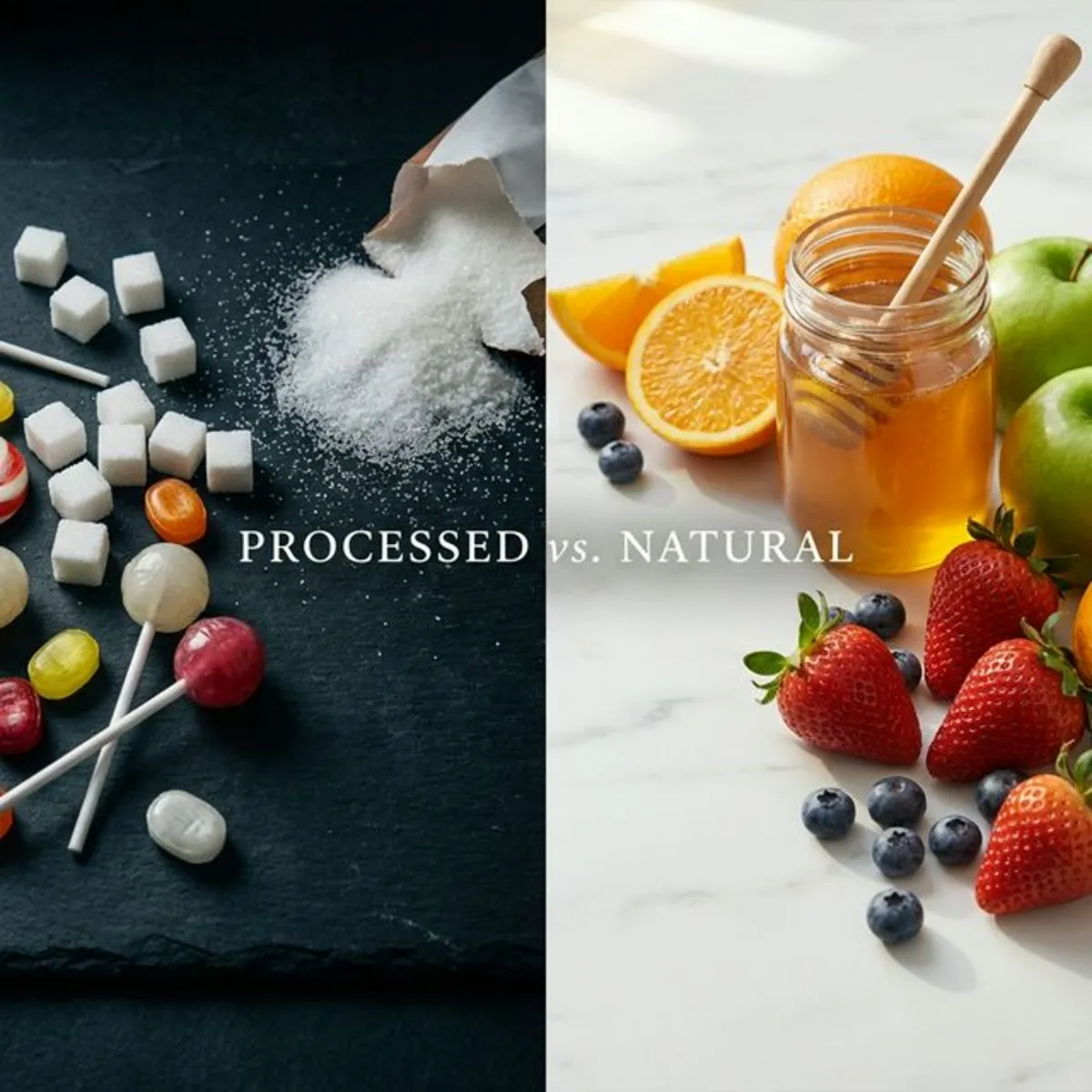
For 7 days, consume zero added sugars. That means no table sugar, honey, maple syrup, agave, or any of the 61 aliases. Natural sugars in whole fruits are fine, the fiber dramatically slows absorption. Read every label. If it has added sweetener, skip it.
Rule 2: Front-Load Protein at Every Meal
The protein leverage hypothesis explains why sugar cravings are often a sign of inadequate protein intake. Your body craves quick energy because it's not getting enough of the satiating macronutrient. Aim for 25-30g of protein at each meal, eggs, salmon, chicken thighs, Greek yogurt, or legumes.
Rule 3: Replace, Don't Remove
The biggest mistake in sugar detox is creating a void. Instead of eliminating sweets from your life, swap them for whole-food alternatives that satisfy the same craving:
- Craving chocolate? → 85% dark chocolate (2 squares), rich in magnesium, minimal sugar
- Craving ice cream? → Frozen banana blended with cacao and almond butter
- Craving soda? → Sparkling water with fresh citrus and mint
- Craving candy? → Medjool dates stuffed with almond butter (nature's caramel)
- Craving pastries? → Oats baked with banana, walnuts, and cinnamon
Rule 4: Eat Healthy Fats to Kill Cravings
Fat is the most effective craving-killer because it signals satiety to your brain far more powerfully than carbohydrates. Incorporate avocado, extra virgin olive oil, nuts, seeds, and fatty fish at every meal. When a sugar craving hits between meals, eat a handful of walnuts or macadamia nuts, the craving will vanish within minutes.
Rule 5: Support Your Gut
Sugar feeds harmful bacteria and yeast (especially Candida) in your gut microbiome. These organisms literally send chemical signals to your brain demanding more sugar. As you starve them out during the detox, support beneficial bacteria by eating fermented foods, sauerkraut, kimchi, full-fat yogurt with live cultures.
After Day 7: What Happens Next
After 7 days without added sugar, most people report dramatically better energy, clearer skin, improved sleep, and, most importantly, a fundamental shift in how sweet things taste. A piece of fruit will taste remarkably sweet. A store-bought cookie that used to taste normal will taste sickeningly sugary. This isn't psychological, your taste receptors have physically recalibrated.
From here, you have two choices: continue sugar-free (the most dramatic health results), or reintroduce small amounts of natural sweeteners (raw honey, pure maple syrup) with full awareness of what you're consuming. Either way, you've broken the unconscious dependency.
Over 10,000 swaps and counting
Find sugar-free alternatives to any ingredient, free and instant.
Our AI-powered Swap Tool finds the most nutrient-dense, low-sugar alternative for any ingredient in your kitchen. No account needed.
Use the Swap Tool →